Michal Nagypál
Bio
Špecializujem sa na olejomaľbu, ilustrácie a sochárstvo. Moja obrazová práca zobrazuje rôzne predmety od portrétu po krajinu, od zátišia v štýle starých majstrov až cez koketovanie s experimentálnymi témami.
Som fascinovaný iluzívnym dojmom reality a moje obrazy vyjadrujú symbolický a realisticko- mystický charakter.
I specialize in oil painting, illustration and sculpture. My work depicts a variety of subjects from portrait to landscape, from still life in the style of the old masters to flirting with experimental themes.
I am fascinated by the illusive impression of reality and my paintings express a symbolic and realistic-mystical character.
Umelecké diela/Artworks
Portfolio


Vernisáže/Openings
- VSG Q Košice
- Realita roršach II./ Reality rorschach II.
- STROMY MAJÚ OČI 2/TREES HAS EYES 2
- Kalaminty/Calamities
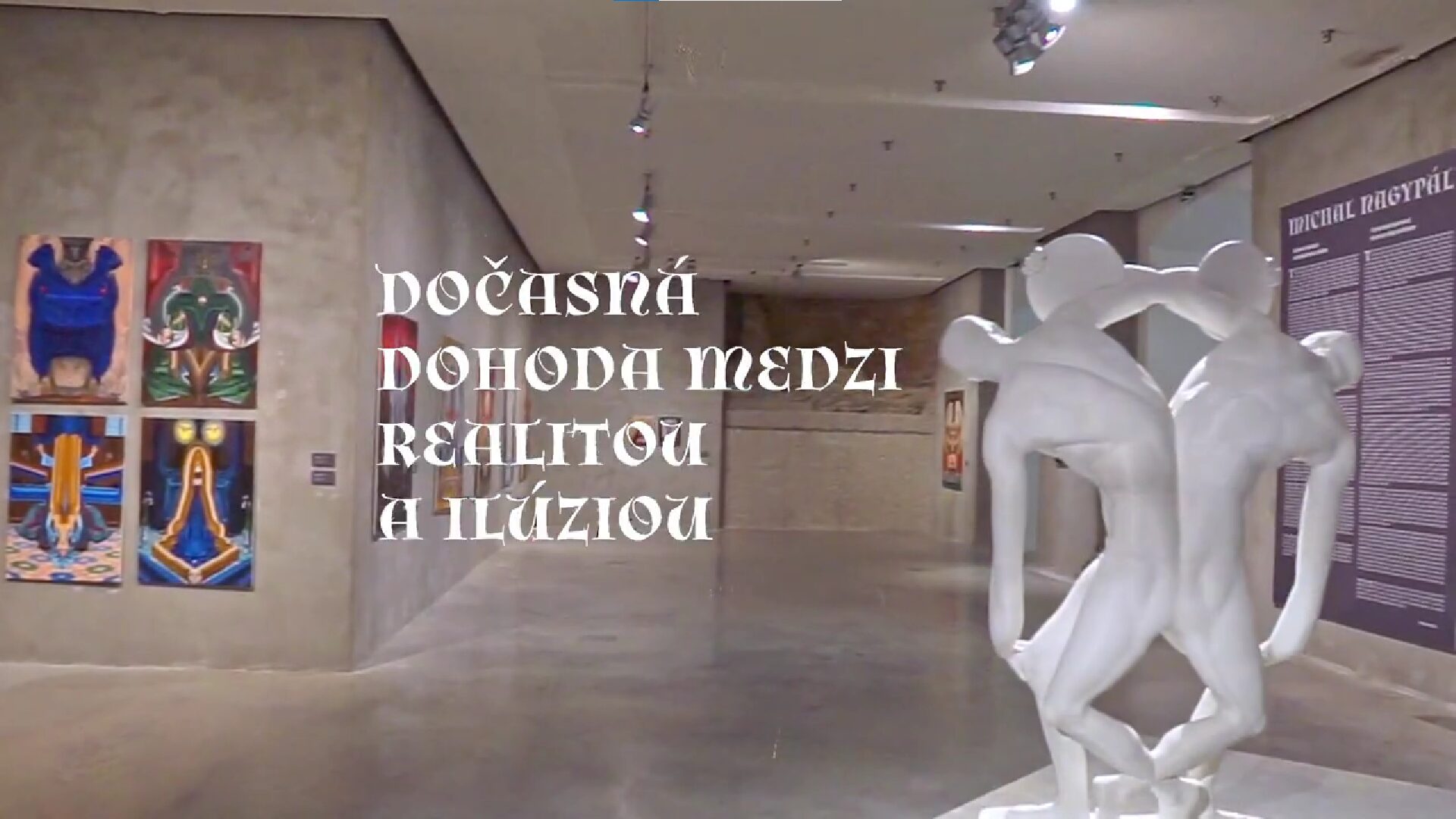
Dočasná dohoda medzi realitou a ilúziou/A provisional agreement between reality and illusion
(English bellow)
Tvorba Michala Nagypála, súčasného slovenského maliara, sa pohybuje na tenkej hranici medzi realitou a fikciou, medzi konkrétnym pozorovaním sveta a imaginatívnou transformáciou, ktorá mu dáva nový význam. Autorovo programové gesto možno najlepšie vystihnúť frázou „Dočasná dohoda medzi realitou a ilúziou“ – ide o zásadnú myšlienku, ktorá preniká jeho maliarstvom aj digitálnymi experimentmi. Nagypál nepreberá realitu ako nemenný fakt, ale skôr ako materiál, ktorý možno deformovať, zrkadliť, zveličovať či poeticky prepisovať. Vzniká tak osobitá syntéza magického realizmu, surrealistických stratégií a súčasných reflexií o postdigitálnom obraze.
Nagypál je verný tradičnému maliarskemu médiu – oleju na plátne, ktoré kombinuje s jemnou modeláciou tvarov. Materiálové uchopenie maľby sa v jeho prípade spája s dôrazom na detail: či už ide o jemné prechodové tóny vo vyobrazení oblohy, alebo o textúru zvieracej srsti či štruktúry rastlinného povrchu. Po technologickej stránke, resp. príprave pred-obrazu, Nagypál pracuje s digitálnymi nástrojmi, ktoré mu umožňujú vytvárať zrkadlové kompozície obrazov, deformovať ich a posúvať do polohy vizuálnych paradoxov. Na druhej strane, nemanipulované fotografické videnie je nástrojom pre ďalšie cykly malieb, ktoré pôsobia priam hyperrealistickým dojmom. Kombinácia analógového a digitálneho, je dá sa povedať, jadrom tvorivej metódy – maľba nie je izolovaným médiom, ale je súčasťou širšieho vizuálneho laboratória, z ktorého vzišli aj sochárske objekty, či komornejšie grafické listy. „Photoshopovský“ princíp manipulácie s obrazom – jeho deformácie, zrkadlenia, naťahovania, preexponovania atď., je v Nagypálovom prípade istý spôsob skicovania, vytvárania predlohy pre výslednú kompozíciu.
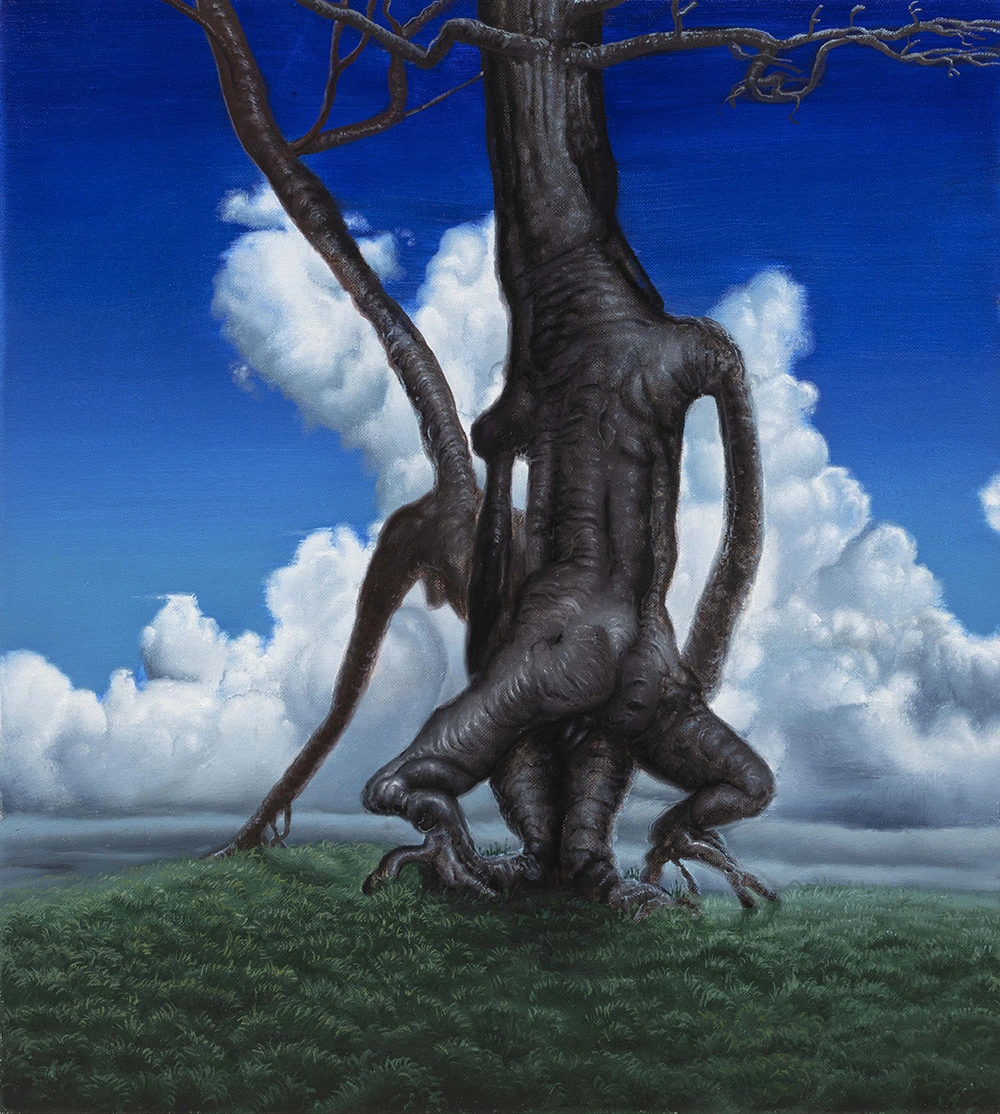
Nagypálova ikonografia sa koncentruje okolo tém prírody, jej krásy a zároveň krehkosti. Stromy, zvieratá, oblaky či vodné masy sa objavujú v polohách, ktoré pôsobia familiárne, no zároveň sú akoby presunuté do snového priestoru. Príroda tu nie je idylická; nesie v sebe latentnú hrozbu – búrky, záplavy, zosuvy pôdy a iné apokalyptické scenáre. Séria Kalamity tematizuje prírodné katastrofy, ktoré sú súčasťou nášho ekologického vedomia. Motív smrti a zániku sa prelína s mystickým prvkom – živočíchy a rastliny získavajú symbolickú hodnotu, niekedy priam animistickú. Stromy akoby mali oči, zvieratá pôsobia ako poslovia iného sveta. Ide o odkaz na surrealistické dedičstvo, kde živé a neživé, reálne a fantazijné prestáva mať pevné hranice.
Nagypál reflektuje širší medzinárodný kontext, kde sa téma ekológie, klimatickej krízy a posthumanistického vnímania prírody dostáva čoraz viac do popredia. Takýmto príkladom je aj veľkoformátová séria desiatich obrazov s názvom Hon, vytvorená v rokoch 2024 – 2025, ilustruje napríklad autorov záujem o témy životného prostredia z opačného, akoby empirického pohľadu, a to vo fenoméne poľovníctva. Nech už na tento odbor nazeráme akokoľvek, prelínajú sa tu témy ochrany života i nevyhnutnosti telesného zániku. Nagypál sa štylizuje do role poľovníka a lovca, ale zároveň sa stavia do pozície kultúrneho antropológa. Ponúka nám skrze veristicky zachytené situácie archaicky pôsobiacich poľovníckych námetov, viaceré príbehy, ktorých východiská siahajú do mysle pravekých lovcov. Hlavnou témou tejto série je práve inklinácia k teórii ulovenia duše zvieraťa, pričom autor vo svojich obrazoch otvára ďalšie významové roviny – biologické, spirituálne, etické, či náboženské. Inšpiračné roviny môžeme vidieť napríklad v tvorbe flámskeho maliara Fransa Snydersa (1579 – 1657), či fínskeho maliara z prelomu 19. a 20. storočia Akseli Gallen-Kalleaua (1865 – 1931).
Ekologické témy, fauna a flóra sú u Nagypála zvláštnou mystikou – vizuálne dobre čitateľnou, ale významovo lavírujeme medzi skutočnosťou a preludom. Sú symbolmi premeny, zrkadlami ľudskej existencie. Fauna a flóra získavajú sakrálnu dimenziu, ktorá sa spája s archetypálnymi obrazmi. Prírodné katastrofy sú tu metaforami ľudského osudu, jeho krehkosti i nevyhnutnosti zániku. Mystika sa prelína s vedou – akoby maliar hľadal nový vizuálny jazyk pre interpretáciu planéty a spoločnosti v ére antropocénu.
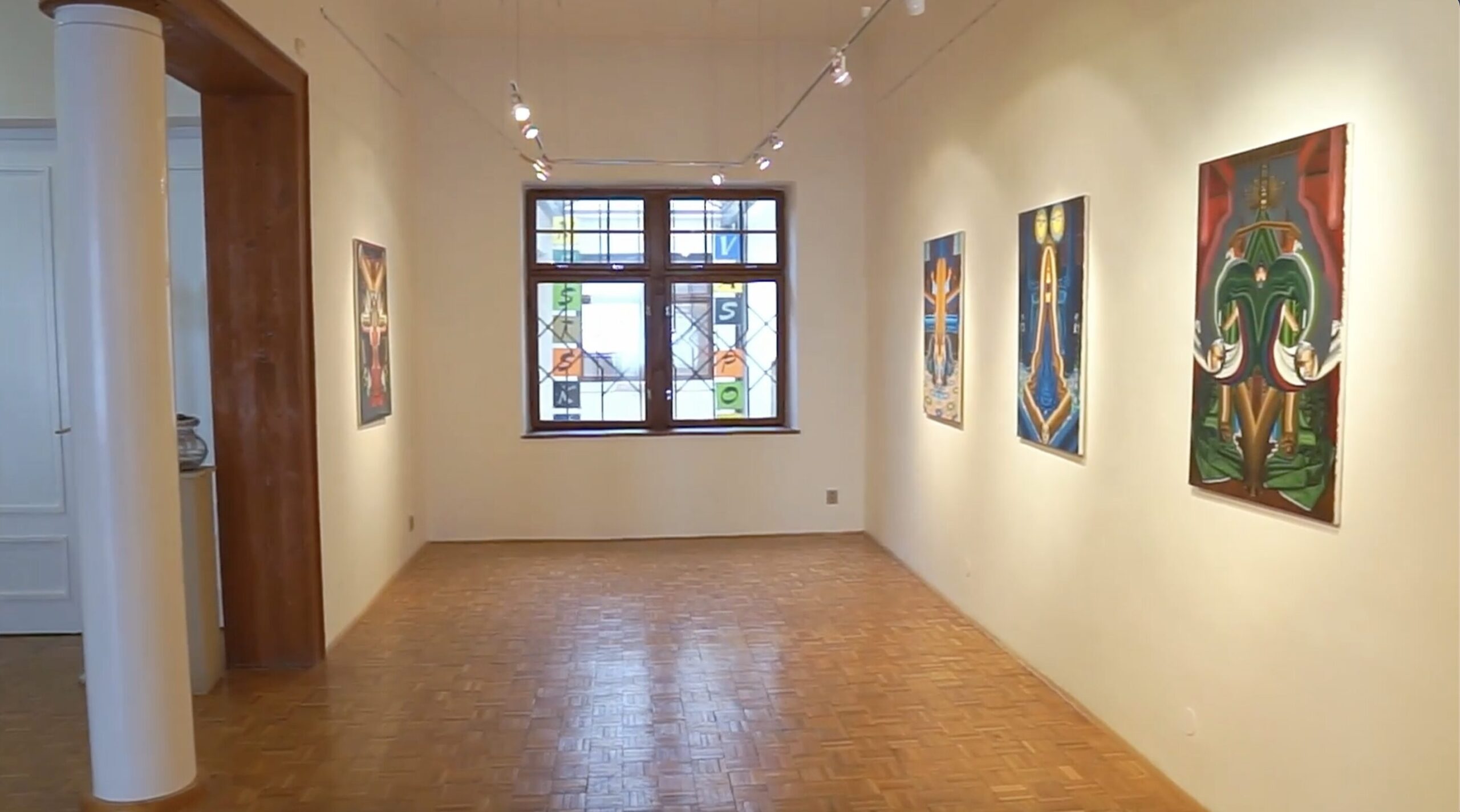
Zásadnou zložkou Nagypálovej tvorby je inklinácia k snahe reinterpretovať známe obrazy z dejín umenia. V sérii Rázcestia sa Nagypálov maliarsky prejav štylizuje priam do polohy kopistu, ale to nie je jeho zámerom, nakoniec ani formálnym výsledkom. Digitálne deformácie renesančných obrazov sú dôkazom jeho vedomej práce s vizuálnou pamäťou. Starí majstri zaalpskej renesancie, či predstavitelia holandského a flámskeho maliarstva 15. – 16. storočia sú pre Nagypála materiálom, ktorý transformuje zrkadlením a symetrizáciou pôvodných obrazov. Vznikajú tak nové celky, ktoré evokujú známe Rorschachove testy. Tým sa otvára priestor pre psychologickú hru – každý divák vidí v týchto štruktúrach niečo iné, projektuje do nich vlastné podvedomie. Vzniká tak akási podivuhodná forma „abstraktného“ realizmu, ktorý je teda oxymoron, ale stavia nás do realít podobným tým vo forme opojenia v akomkoľvek zmysle slova.
Michal Nagypál (1992) študoval v rokoch 2008 – 2012 na Škole úžitkového výtvarníctva v Košiciach, odbor Propagačné výtvarníctvo. Po stredoškolských štúdiách nastúpil do ateliéru maľby Martina Mainera na pražskej Akadémii výtvarných umení (2012 – 2016) a v rokoch 2017 – 2018 absolvoval stáž v sochárskom ateliéri Lukáše Rittsteina. V súčasnosti žije a tvorí v maďarskom mestečku Gönc.
Miroslav Kleban
EN
The work of the Slovak contemporary artist Michal Nagypál oscillates along the razor-thin borderline between reality and fiction, between the close observation of the world and imaginative transformations which grant it new meaning. His characteristic approach can perhaps be best summed up by the phrase “a provisional agreement between reality and illusion” – the fundamental concept which underpins both his painting and his digital experimentation. Nagypál refuses to accept reality as an indisputable fact, seeing it instead as a material which can be deformed, mirrored, expanded or poetically rewritten. The resulting work emerges as a synthesis of magic realism, surrealistic strategies and contemporary reflections on the post-digital image.
Nagypál is faithful to the traditional medium of painting: oils on canvas, which he combines with an intricate modelling of forms. His works are remarkable for their material understanding of the painterly craft accompanied by an emphasis on detail, as is apparent in the subtly graduated tones in his depictions of the sky, the textures of animal fur or the structure of the surfaces of plants. In a technical sense, or in the preparation of a preliminary painting, Nagypál uses digital tools which allow him to create mirrored compositions of images, deforming the paintings and transforming them into visual paradoxes. In another sense, however, his unmanipulated photographic depictions are a tool for the creation of other cycles of paintings which evoke a distinctly hyperrealist impression. Indeed, it is possible to argue that the combination of analogue and digital techniques forms the core of his creative approach – the painting is not an isolated medium but is instead part of a wider visual laboratory, with sculptures and small-scale graphics among its other products. The “Photoshop” approach, the manipulation of the image through distorting, mirroring, expanding and cropping, acquires a new aspect in Nagypál’s case, emerging as a form of sketching, the emergence of a template for the resulting composition.
Nagypál’s iconography is predominantly concerned with the theme of nature and the inherent fragility of its beauty. Trees, animals, clouds and bodies of water are depicted in scenes which seem familiar, but which also appear to have been transposed to the realm of dreams. Nature here is by no means idyllic; its latent threats are ever present – storms, floods, landslides and other apocalyptic scenarios. The Calamities series explores the topic of natural catastrophes, events which form an integral part of our ecological consciousness. The motifs of death and decay intersect with mystical elements – flora and fauna acquire a symbolic value, oftentimes in an animistic sense. The trees seem to have eyes, and animals serve as messengers from another realm. We can discern references to the inheritance of surrealism, the point at which the barriers between the living and the non-living, the real and the fantastical, start to break down.
Nagypál reflects a wider international context in which the themes of ecology, climate catastrophe and posthumanistic perceptions of nature are gaining increasing significance. One example of this is the series of ten large-format paintings titled The Hunt, created between 2024 and 2025, which illustrates the artist’s interest in taking an alternative (yet still empirical) perspective to environmental themes, in this case by exploring the phenomenon of hunting. Regardless of what our personal thoughts on the activity may be, the hunt does represent an intersection point between the themes of protecting life and the inevitability of physical extinction. Nagypál styles himself in the role of hunter while simultaneously positioning himself as a cultural anthropologist. Through sketches featuring realistic depictions of archaic hunters, the artist offers several narratives which draw us back into the mind of the prehistoric hunter. The main theme, however, is the theory of hunting the soul of the animal, a line of thought which opens up new layers of meaning – biological, spiritual, ethnic and religious. The artist also draws inspiration from, among others, the work of the Flemish painter Frans Snyders (1579 – 1657) or the Finnish artist of the late nineteenth and early twentieth century, Akseli Gallen-Kallela (1865 – 1931).
Ecological issues and the world of flora and fauna hold a special mystical significance for Nagypál – his works are visually legible, yet the viewer must navigate between reality and illusion in interpreting their meaning. The paintings are symbols of transformation, mirrors held up to human existence. Flora and fauna acquire a sacred dimension which are associated with archetypal images. Natural catastrophes are presented here as metaphors of human fate, its fragility and the inevitability of its demise. Mysticism is intertwined with science – as if the painter is seeking out a new visual language by which to interpret the planet and society in the era of the Anthropocene.
A fundamental aspect of Nagypál’s work is his efforts to reinterpret well known paintings from art history. In the series titled Crossroads, Nagypál applied his painterly expression to the copyist’s craft, but this is not his main intention, nor is it the formal result. His digital deformation of Renaissance paintings testifies to his deliberate exploration of visual memory. The masterpieces of the Northern Renaissance, the paintings which emerged in the Low Countries in the 15th and 16th centuries, become material for Nagypál’s own work. By mirroring and symmetrizing these famous images he forms new compositions reminiscent of Rorschach tests, psychological games which each viewer can perceive differently, projecting their own subconscious into the works. A remarkable form of “abstract” realism emerges; an oxymoron, of course, yet one which casts us into an reality which appears intoxicated, in every sense of the word.
Michal Nagypál (1992) studied Advertising Art at the School of Applied Art in Košice from 2008 to 2012. He continued his studies at the studio of Martin Meiner at the Academy of Fine Arts in Prague (2012 – 2016) and from 2017 to 2018 he undertook an internship at the sculpture studio of Lukáš Rittstein. He currently lives and works in the Hungarian town of Gönc.
Miroslav Kleban
Realita roršach/ Reality rorschach
(English bellow)
Séria malieb s názvom Rázcestia sa nečakane odlišuje od doterajšej tvorby autora. Ak sa pozrieme na jeho tvorbu smerom do minulosti, nájdeme surrealistické námety, realistické zátišia či krajinomaľby, ale ešte sme sa uňho nestretli s presahom do abstrakcie. Súčasná séria je pomyselným rázcestím v tvorbe a maliarskom prejave autora. Sami nevieme predpokladať vývin jeho budúceho smerovania v tvorbe- opustí svoj doterajší pohľad na maľbu alebo je táto séria špecialitou, s ktorou sa už znova nestretneme ?
Vybraná séria obrazov, založená na symetrii, sa opiera o Roršachov test osobnosti princípom zrkadlenia obrazu, nie však svojou myšlienkou. Autor vyjadruje momentum balansovania medzi rozhodnutiami človeka, ktoré sa prostredníctvom činu, nevyhnutne premenia do novej reality. Preklápaním a deformovaním niečoho, čo pred tým existovalo ako umelecké dielo iného autora, vzniká nové dielo. Zmenou formy sa mení aj obsah a významovosť diela, pričom abstraktný ráz maľby dáva divákovi priestor na subjektívny výklad a asociácie na základe jeho predstavivosti.
Divák pri lepšom skúmaní konkrétnej maľby, zaručene nájde drobné odchýlky od dokonalej digitálnej symetrie, ktorá autorovi slúžila ako podklad pre maľbu. Priložením ľudskej ruky k dielu sa matematická presnosť mení na čosi, čo je prírode bližšie, pretože príroda sa rovnako ako autor usiluje o symetriu. Pri detailnejšom pohľade na prírodu, nájdeme aj takzvané nepresnosti, ktoré menia démonickosť symetrie na pôvab prirodzenosti.
S menom autora je často spájaná jeho inšpirácia gotickými majstrami, čo opäť potvrdzuje výberom námetov pre svoje Rázcestia. Pri lepšom skúmaní zdanlivého abstraktného vzoru na plátne si môže oboznámený divák všimnúť napríklad dielo Jan van Eycka, Rogiera van der Weydena, Gerarda Davida a i. … Ucelenosť súboru spolu s pracnou technikou- vrátane techniky zlatenia, ktorá imituje náboženské ikony- Michal Nagypál potvrdzuje a obhajuje svoj seriózny postoj k tejto novej sérii.
EN
Selected work from the current series of paintings, „abstract realism“, differs rapidly from my previous work in its stylization. It is a reaction to several life and global changes that took place at the time of my painting work.
The feeling of uncertainty about the correctness of the creative direction alternates with a confident belief in the value of this series. I would say that it is a turning point for my work due to its difference.
A reality that turns into an abstraction, an appearance that has opposite sides, an idea that mirrors its meaning, an endless multiplication of the sides. The feeling of wholeness disappears as if in a state of intoxication- everything is unclear. The current understanding of reality becomes some perverted grotesque of the oil slick of the apparent ideal of beauty.
The process of painting began with the deformation of an existing work with the help of computer graphics. The subsequent blurred, Rorschach- like , newly created work provided me with the basis for completing the painting with a more traditional and close to me technique of oil painting.
Recycled parasitism- in other words- inspiration, by the Gothic works beautifully allowed me to deform, stretch and change the reality.
The symmetrical result is not pure abstraction, so the spectator can discover fragments of reality that will keep him in uncertainty between the abstract and the real part of the painting.
STROMY MAJÚ OČI 2/TREES HAVE EYES 2
(English bellow)
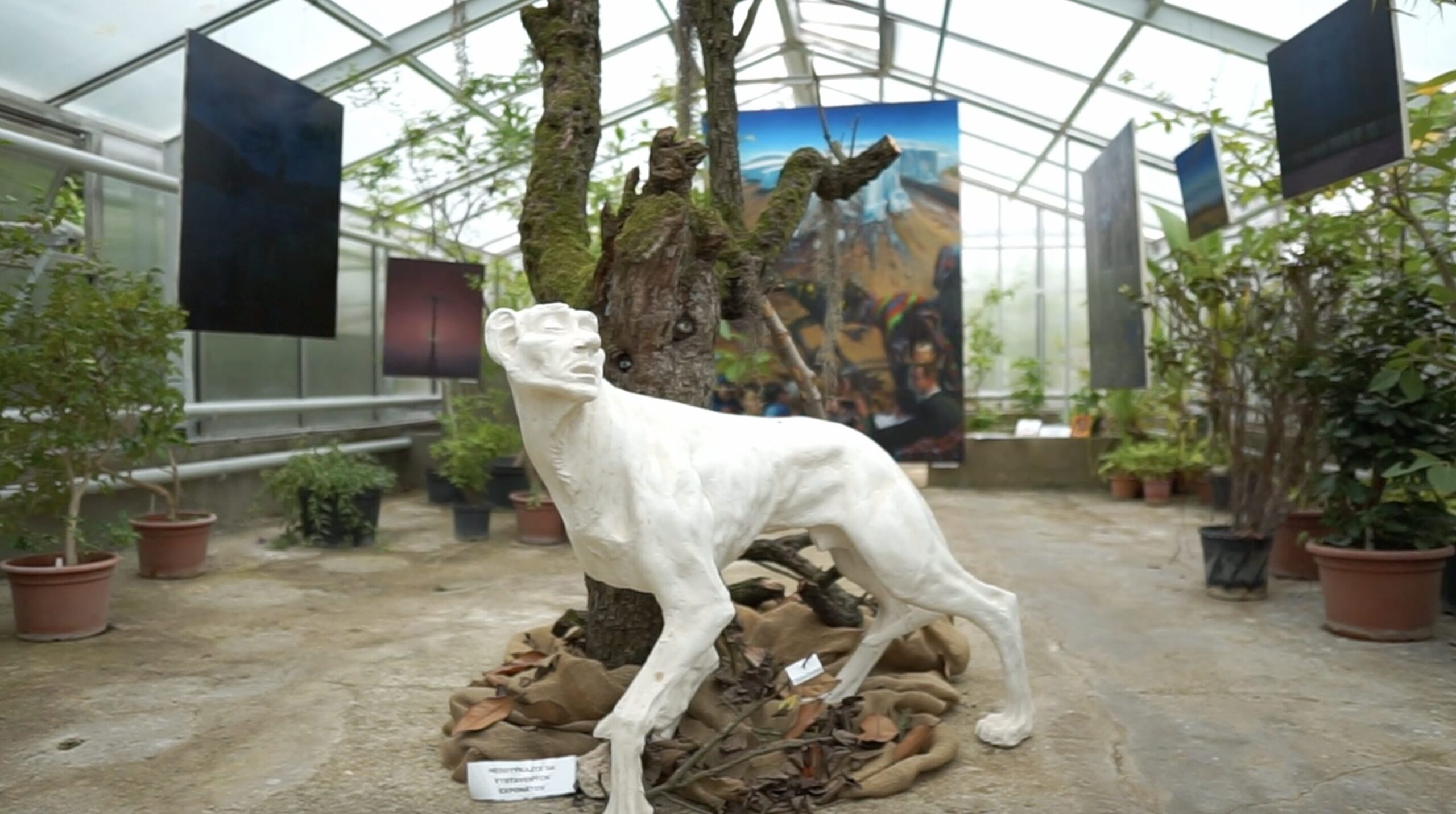
Je možné, že keď vyjdete z domu, vidí a vníma vás vegetácia skôr ako vy ju? Ja si myslím, že áno a dokonca si o vás príroda dáva vedieť svojim vlastným jazykom, ktorému ešte úplne nerozumieme. Vedci, ktorí sa tejto problematike venujú, napríklad tvrdia, že stromy spája sieť podhubia, čo predstavuje ich “internet“. Takéto huby, ktorých je vyše sto druhov, sa nazývajú ektomykorhizne huby, pričom na jeden strom môže pripadnúť niekoľko desiatok takýchto húb.
Nad zemou komunikujú stromy skrz rôzne chemické signály, pachmi alebo zvukom – pukaním, praskaním… Stromy si tak dávajú na znamenie, či sa blíži požiar, škodca, ktorý si na nich chce pochutnať alebo lesník s motorovou pílou… A keďže ani zeleň sa nechce nechať zožrať či zničiť-bojuje. Ktovie, možno kričí o pomoc aj váš šalát, keď ho v kuchyni krájate.
Napríklad takému dubu neostáva nič iné ako pustiť do šťavnatých a sladkých čerstvých lístkov, jedovaté triesloviny, ktoré z pochutiny pre hmyz spravia to, že sa aj húsenici z trpkej chuti zroluje jazyk. Na rozdiel od ľudí sa však impulz u stromov nešíri behom milisekúnd. Čím väčší organizmus-tým dlhšie vedenie, takže to trvá ešte ďalšiu hodinu, než sa v listoch či ihličí uložia jedovaté látky a prekazia votrelcom ich hody.
Ďalším príkladom sú borovice, ktoré pomocou vône lákajú malé osičky aby ich zbavili nepriateľských húseníc. Osičky nakladú vajíčka do húseníc požierajúci strom, takže sa v nich začne vyvíjať osie potomstvo, ktoré húsenicu zvnútra kúsok po kúsku požiera.
Na druhú stranu absencia komunikácie u vegetácie môže naznačovať určitý problém (napríklad stratu podhubia) Strom je tak odrezaný od všetkého okolitého diania a je náchylnejší na choroby, prípadne sa nestihne včas obrniť proti škodcom.
Vystavené olejomaľby spájajú rastliny a ľudské zmysly- prevažne zrak- ako symbol vnímavosti vegetácie voči okoliu. Zrak je asi najdominantnejším výrazovým prostriedkom prebiehajúcej výstavy. Pre človeka je často pohľad do očí prvým kontaktom pred tým, než začne rozhovor. Zobrazenie vegetácie s očami tak robí z pomyselne nemého lesa, vnímajúci super organizmus.
Ľudský pocit odpojenia od okolitej prírody predstavuje paradox, pretože sme jej súčasťou.
Prečo sa tak niekedy cítime a čo môžeme zmeniť aby nás napríklad taký les nevnímal ako hrozbu ? Je potrebné ju nenechať chátrať ale starať sa aby bola čo najzdravšia, najúrodnejšia a bohatá na biodiverzitu. Pristupujme k nej minimálne ako k rovnocennému partnerovi a ona nám zabezpečí takisto prežitie, zdravie a spokojnosť.
Na konci výstavy si môžete položiť otázku: Čím môžem byť pre prírodu užitočný práve ja?
Is it possible that when you leave the house, vegetation sees and perceives you before you see it? I do think so, and even nature makes itself known to you in its own language, that we don’t fully understand yet. Scientists who are working on this issue, for example say, that trees are connected by a network of undergrowth that is their „internet“. Such fungi, of which there are over a hundred species, are called ectomycorrhizal fungi, and there are several dozen of these fungi per tree. Above ground, trees communicate through various chemical signals, smells or sound – snapping, crackling… This way, the trees signal whether a fire, a pest, is approaching, or a ranger with a chainsaw… And since even the foliage doesn’t want to be eaten or destroyed, it fights back. Who knows, maybe your lettuce is screaming for help too, when you’re cutting it up in the kitchen. For example, such an oak tree has no choice but to fill its juicy and sweet fresh leaves with poisonous tannins, which will mess the insect delicacy, so caterpillars‘ tongues curl at the bitter taste. Unlike humans, however, the impulse in trees doesn’t spread in milliseconds. The larger the organism-the longer the conduction, so it takes another hour before poisonous substances are deposited in the leaves or needles and thwart the intruderstheir feast.
Another example is pine trees, which use their scent to attract small wasps to get rid of theirs hostile caterpillars. The wasps lay their eggs in the caterpillar-eating tree, so the wasp offspring begin to develop inside the caterpillar bit by bit devours the caterpillar piece by piece. On the other hand, the absence of communication in vegetation may indicate some problem (The tree is thus cut off from all surrounding activity and is more susceptible to disease or unable to defend itself against pests in time. The oil paintings on display link plants and the human senses – mainly sight – as a symbol vegetation’s receptivity to its surroundings. Sight is perhaps the most dominant expressive means of the ongoing exhibition. For humans, the sight of the eyes is often the first contact before a conversation begins. Viewing vegetation with the eyes thus makes the imagined mute forest, a sentient super organism.
The human sense of disconnection from the surrounding nature presents a paradox, because we are part of it. Why do we sometimes feel this way and what can we change to make forest not to see us as a threat ? It is necessary not to let it decay but to take care of it and to make it as healthy, fertile and rich in biodiversity as possible. Let’s approach it at least as an equal partner, and it will also provide us survival, health and happiness.
At the end of the exhibition, you can ask yourself a question: How can I be useful to nature?
Kalamity/Calamities
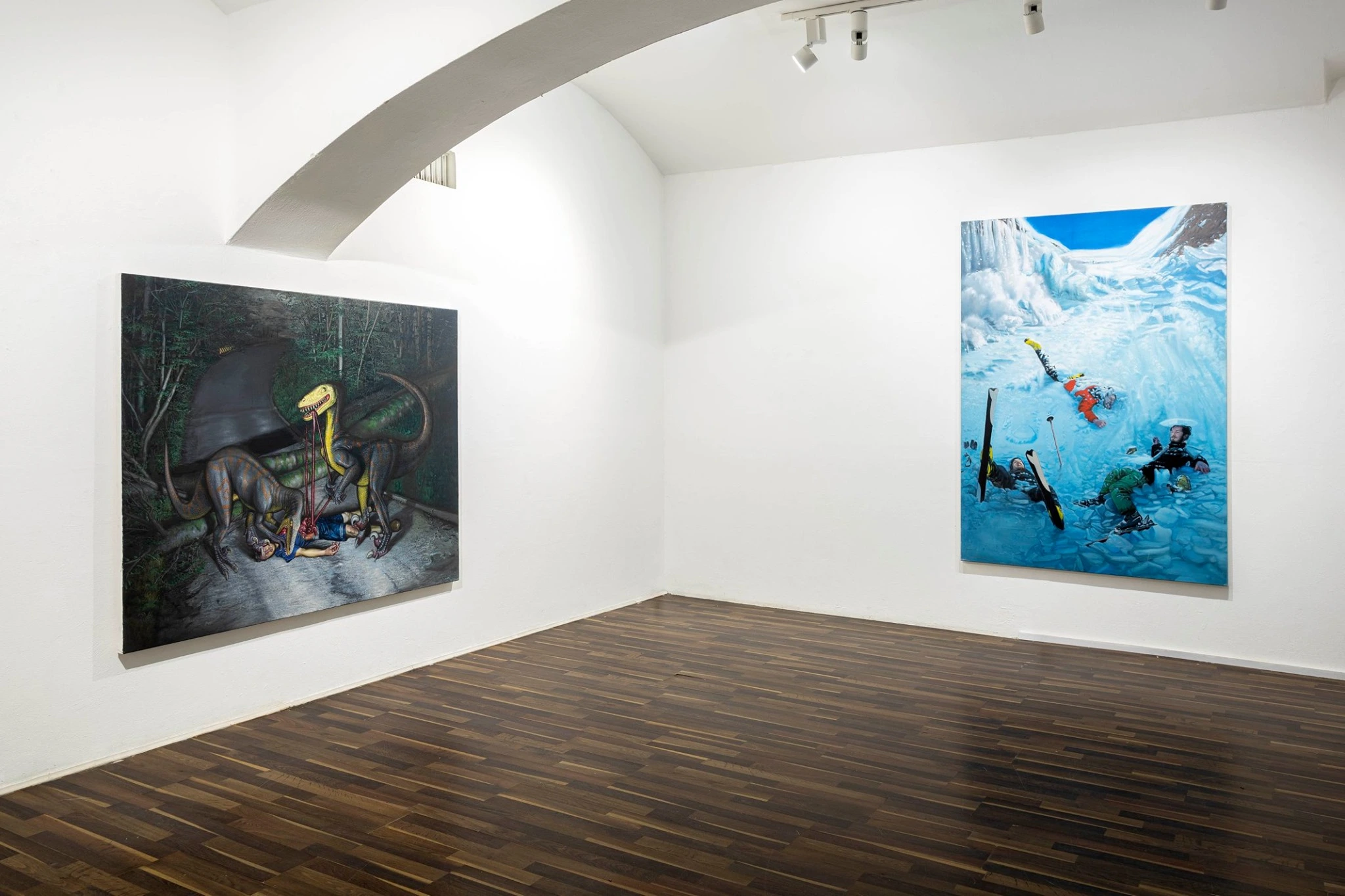
Dnes je ťažké nájsť panenskú, človekom nezmenenú prírodu. Veľké množstvo lesov je umelo vysádzaných a obhospodárovaných s výnimkou národných parkov alebo pralesov. Nedotknuté sú možno neprístupné stolové hory či miesta niekde hlboko v oceáne, ale aj tam už našli v morskom čertovi plastové odpadky.
Záujem o ekológiu by mal byť z čista egoistického hľadiska pre človeka a jeho pohodlné žitie, zásadné. Zem doteraz prežila a bude žiť či s človekom v tak premnoženej forme alebo bez neho. To už je druhoradé.
V každom z mojich obrazov koketujem s jemne sa zjavujúcim duchom smrti. Je to nejasná predstava, ktorá číha na každom rohu. Je to niečo zásadné pre samotný život. Keď strom spadne, zhnije a stane sa využívaným humusom pre ďalší strom.
It’s difficult to find virgin, unaltered nature nowadays. A large number of forests are artificially planted and managed, with the exception of national parks or primeval forests. Inaccessible table mountains or places somewhere deep in the ocean may be untouched, but even there, they’ve already found plastics in the sea devil.
From a purely egoistic point of view, interest in ecology should be fundamental for man and his comfortable life. The earth has survived until now and will continue to live with or without man in such a multiplied form. That is secondary.
In each of my paintings I flirt with the gently appearing spirit of death. It’s a vague idea that lurks around every corner. It is something fundamental to life itself. When a tree falls, it rots and becomes usable humus for another tree.
Vlastná kolekcia/Personal Collection
Fashion Merch
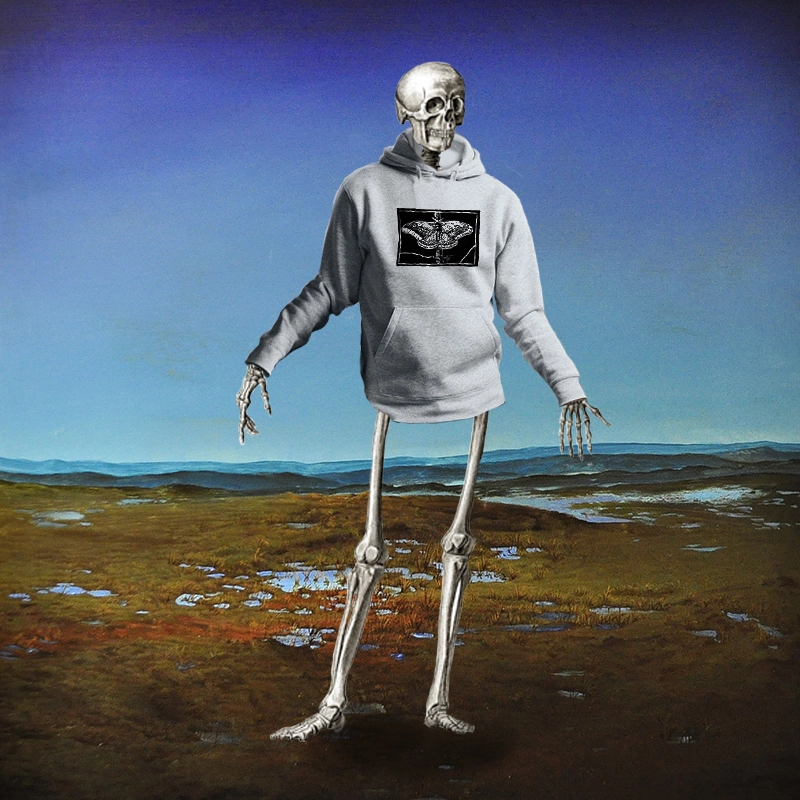
Originálne kúsky s mojim námetom a tvorbou. Moja kolekcia zahŕňa mikiny, tašky, tričká a ďalšie štýlové doplnky, ktoré ťa potešia nielen svojou kreativitou, ale aj kvalitou. Odprezentuj svoj štýl s mojim originálnym merchom.
Original pieces with my designs and work. My collection includes sweatshirts, bags, t-shirts and other stylish accessories that will delight you not only with their creativity, but also with their quality. Show off your style with my original merch.